Benefits of Mindful Education
- Kayla Reetz
- Nov 29
- 4 min read
In today’s fast-paced world, maintaining focus can be a real challenge for learners of all ages. Distractions are everywhere, and the pressure to perform academically can sometimes overwhelm students. Fortunately, there is a powerful approach that can help improve concentration, emotional regulation, and overall well-being: mindfulness. At Safe Harbor Yoga, we believe in nurturing the mind, body, and spirit through personalized care and mindful practices. Our partnership with Challenge to Change, Inc allows us to bring mindful education into public schools, equipping students with tools to better manage their emotions and sharpen their focus.
Understanding Mindfulness Techniques for Education
Mindfulness is the practice of paying full attention to the present moment without judgment. In an educational setting, mindfulness techniques help students become aware of their thoughts, feelings, and bodily sensations. This awareness fosters self-regulation, reduces stress, and enhances cognitive function.
Some common mindfulness techniques used in education include:
Breathing exercises: Simple deep breathing helps calm the nervous system and improve attention.
Body scans: Students focus on different parts of their body to release tension and increase awareness.
Guided Mindfulness through imagery: Visualization exercises promote relaxation and positive thinking.
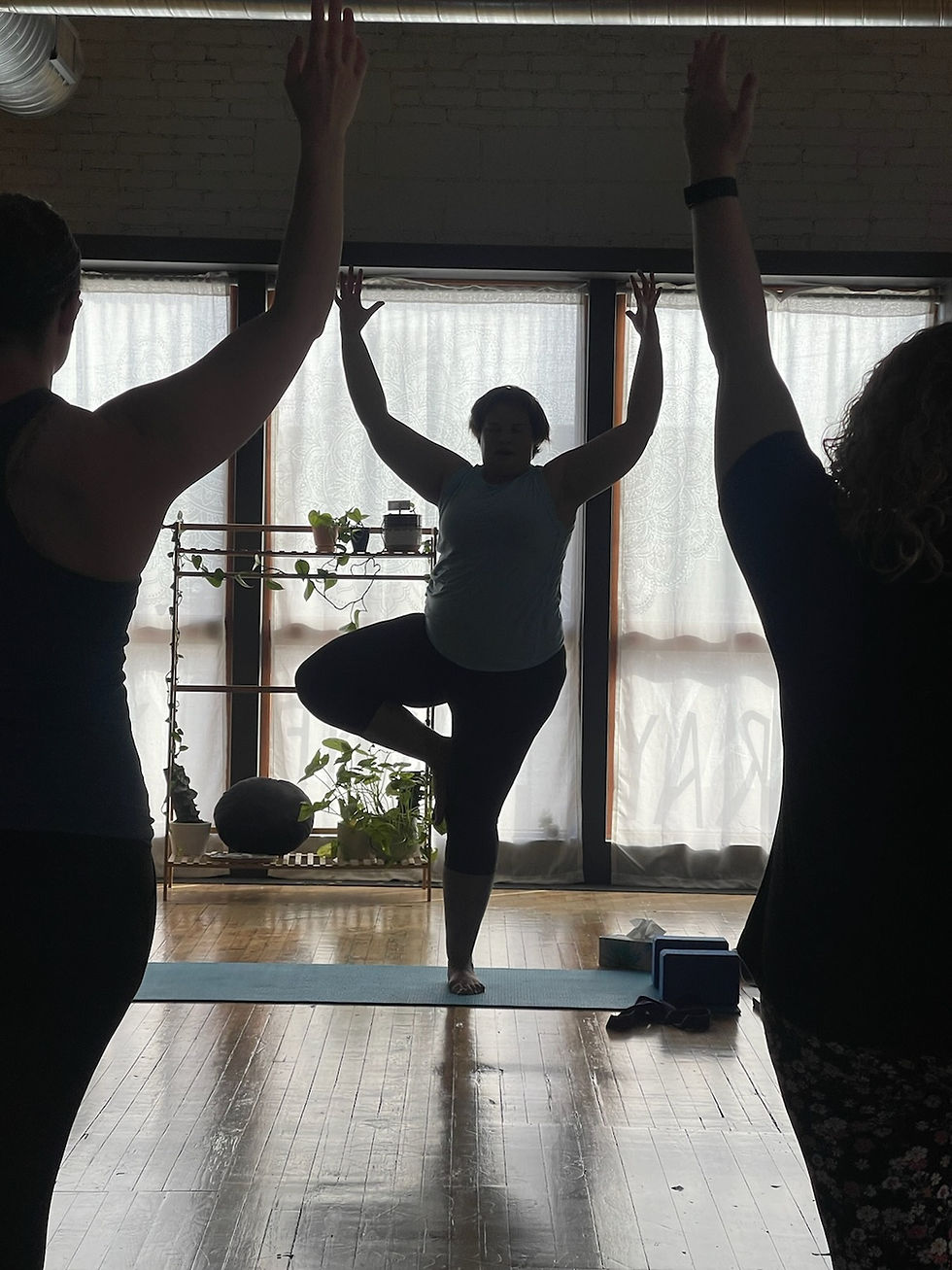
Mindful movement: Gentle yoga or stretching connects the mind and body, improving focus.
Focused attention: Activities like mindful listening to help train concentration.
These techniques are easy to integrate into daily classroom routines and can be adapted for different age groups. For example, younger children might enjoy playful breathing games, while older students can practice silent meditation or journaling.

Benefits of Mindfulness Techniques for Education
Incorporating mindfulness into education offers numerous benefits that extend beyond improved focus. Here are some key advantages:
Enhanced Concentration: Mindfulness trains the brain to stay present, which help reduce daydreaming and distractions.
Emotional Regulation: Students learn to recognize and manage their emotions, which may lead to fewer behavioral issues.
Stress Reduction: Mindfulness lowers cortisol levels, helping students feel calmer and more resilient.
Improved Memory: Focused attention supports better information retention and recall.
Greater Empathy: Mindfulness fosters compassion and understanding among peers.
Boosted Creativity: A calm mind is more open to new ideas and problem-solving.

Research shows that students who practice mindfulness regularly perform better academically and experience improved mental health. Teachers also report a more positive classroom environment with fewer disruptions.
How Safe Harbor Yoga Supports Mindful Education
At Safe Harbor Yoga, we provide a safe space for individuals of all ages to explore mindfulness through yoga, education, and wellness. Our approach is personalized and individualized, emphasizing connection and growth of the mind, body, and spirit.
We offer various classes tailored to meet the needs of different age groups, ensuring that everyone can benefit from mindfulness techniques. Our licensed affiliation with Challenge to Change, Inc enables us to bring these practices directly into public schools. This partnership allows us to:
Deliver age-appropriate mindfulness curricula.
Teach students how to become aware of their emotions.
Provide practical tools for self-management and emotional regulation.
Support teachers with training and resources to integrate mindfulness into their classrooms.
By combining yoga and mindfulness education, we help students find their own harbor of peace, improving focus and overall well-being.

Practical Tips to Implement Mindfulness Techniques at Home and School
Whether you are a parent, teacher, or caregiver, you can support mindfulness practice in everyday life. Here are some actionable recommendations:
Start small: Begin with 3-5 minutes of mindful breathing or body scans.
Create a routine: Set a consistent time each day for mindfulness practice.
Use guided resources: Apps, videos, or recordings can help lead mindfulness exercises.
Encourage mindful breaks: Short pauses during study or work can refresh the mind.
Model mindfulness: Adults practicing mindfulness inspire children to do the same.
Incorporate movement: Simple yoga poses or stretches can enhance focus and relaxation.
Practice gratitude: Reflecting on positive experiences fosters a mindful mindset.
In schools, mindfulness can be integrated into morning meetings, transitions between subjects, or before tests to help students center themselves. At home, families can practice mindfulness together to build emotional resilience and strengthen bonds.
Embracing Mindfulness for Lifelong Growth
Mindfulness is more than a technique - it is a way of living that nurtures continuous growth and self-awareness. By embracing mindfulness, students develop skills that serve them well beyond the classroom. They learn to navigate challenges with calmness, make thoughtful decisions, and connect deeply with themselves and others.
Safe Harbor Yoga invites everyone to explore the transformative power of mindfulness through our classes and programs. Our commitment to personalized care ensures that each individual finds their own path to peace and focus.
Discover how mindful education can make a difference in your life or your child’s learning journey. Together, we can create a supportive environment where the mind, body, and spirit thrive.
By integrating mindfulness techniques into education, we open doors to improved focus, emotional balance, and holistic well-being. Whether in the classroom or at home, these practices assist learners to reach their full potential not only with assertion, but also confidence and calm.
Want to bring MES programming to your school? Contact Kayla today to schedule a demonstration day for your WHOLE building!


Comments