top of page
Search

The Safe Harbor Reset: A 10-Minute Practice for When Life Feels Like Too Much

By Kayla Christ


2025 has completed. 2026 has arrived with abounding hopes, dreams and intentions in front of me. On a personal level, 2025 was one of the most challenging years I’ve experienced. Without sharing too much, I’ll only say that the author last name on this blog changed.  There was grief. There was loss. There was growth.


And I recognize the growth is not done.  I envision myself and the work of Safe Harbor Yoga as a seedling just started, barely peeking from the surface with so much life ahead of it.  


I also recognize if I feel this way, there has to be many others out there who feel similar or even the same.  With that in mind, this blog post shares 5 things you can do in 10 minutes to move through the challenging moments or to find movement when you feel stagnated. I know they work because they are often the items I turn to as well.


Please know you do not need to do all of these at once. They can each be a 10 minute (or less) practice used as often or infrequently as you’d like.


If one of these practices felt supportive, I’d love to hear about it. And if today isn’t the day, that’s okay too.


  1. Journaling


Yes, I know. The more I share about my journaling experience, the more I realize just how much the average person avoids this at all costs.  And I can understand why.  It has a way of making us feel the things we have shoved to the edges of the room.  It also has a way of sorting through the muck and yuck that life can produce. In short, it’s work!


And some people will encourage daily practice- I know I have in the past- and it is something I encourage for the beginning. But you’re going to skip a day, a week, or even longer. It’s going to happen. So let the pressure of commitment go.


Instead, see if you can tune into your body and mind. In my experience, it has a way of telling you when you need it, how often and for how long each time.  And it doesn’t have to be written in a journal, despite its name. It’s about documenting. Record it. Type it. Draw it. Mix and match the ways that work for you and strive to do them consistently and persistently.


Take a moment to pause and reflect on if this is something you want to try. If so, make a short term plan before continuing.


  1. Mindfulness Techniques


When life feels like too much, the nervous system often shifts into survival mode. For me, that can look like a racing heart, scattered thoughts, and a body that can’t sit still. All of that energy needs somewhere to go. I think of it like electricity—how lightning bends and searches for a path to release. It’s rarely a straight line, and neither is mindfulness.

Mindfulness isn’t about forcing calm. It’s about choosing presence in the moment. Even brief stillness sends a signal of safety to the nervous system, helping the brain reopen pathways that stress may have temporarily closed.


Here are a couple of my favorite mindful breath techniques:

  1. Grounding Breath- a simple breath technique using all the senses

    1. Brings awareness to your space and surroundings

    2. Can be as short or long as you like

    3. Accessible to all

  2. Anchor Breathing- anchoring to places on your body through touch

    1. Can be done anywhere—even in the car (eyes open, one-handed!)

    2. Focuses on how it feels in the body, not just outside

    3. Flexible timing to suit your needs


After trying either, you’ll often feel safer and more empowered to make choices about what happens next. Take a moment to pause and reflect on whether this feels supportive. If so, make a short plan before reading on.


  1. Reframing the Mind


The next practice is reframing the mind. The brain doesn’t always tell us what’s true—it tells us what it has practiced the most. The good news is that means we can change. There is choice.


This past year has been personally challenging for me, and there were many moments when I wanted to lash out, hide, or run—responses most of us experience at some point. But I knew those choices wouldn’t support me in the long term. They wouldn’t move me toward who I wanted to be. So I had to intentionally change my thinking.


Instead of directing my hurt outward through anger, I reminded myself that what I was experiencing was now, not forever. I practiced seeing beyond the tunnel vision that pain and stress can create and allowed myself to imagine the other side of it.


Instead of withdrawing or blaming, I reminded myself that healing is possible—even when it’s uncomfortable—and that I could take responsibility for my choices without taking responsibility for what wasn’t mine.


Instead of running away, I practiced gratitude. I mentally listed what I already had: meaningful conversations, lessons learned, and the simple needs of life. I was often surprised by how much there was.


These small shifts—repeated daily—helped shape who I was becoming. Understanding that I had a choice in how I responded, even in difficult moments, was incredibly powerful.


Take a moment to pause and reflect if this is something you want to try. If so, make a short list of what you want to try to reframe in your mind before continuing. When you’re ready, move forward.


  1. Forgiveness


Ah, yes. Forgiveness. That old nugget of truth within each of us. I mentioned letting go of things that weren’t my responsibility, but there is also letting go of things we can’t control and offering forgiveness instead.


For instance, road rage, or even road frustration. We’ve all experienced it whether it be from delays, weather patterns, other drivers, or even the passengers within our own vehicle, everyone who drives has had at least one moment of frustration on the road. 


When someone makes a choice we disagree with, the question is not focused on what they did, but how we respond to it. It’s not an easy step. Resistance is often its natural companion. But what gives you the most long-term happiness: holding on to something someone else chose, or letting go of its hold on you and choosing something that is right for you?


Take a moment to pause and reflect on things you may be holding on to. Try not to judge them as right or wrong at this time. Just notice what is there. When you’re ready for more, it’s waiting.


  1. Time for and to the Self


Carving out time for yourself is essential, even amidst busy schedules. It doesn’t need to be grand or expensive—small actions that refill your cup matter most. Here are a few ideas:


Here’s what I suggest you try, but know there are many other options:

  1. Daily Yoga Practice

    1. Safe Harbor Yoga offers a few gentle flows on our YouTube channel if you’d like to follow along.

  2. Intentional Breaks

    1. Step away from devices for 1–2 minutes, close your eyes, and simply breathe.

    2. Plan a short walking path and revisit it consistently.

  3. Time with Friends

    1. Connect digitally or in person with people who lift your spirits.

    2. It doesn’t need to be elaborate—just consistent.

  4. Find Movement in your Day

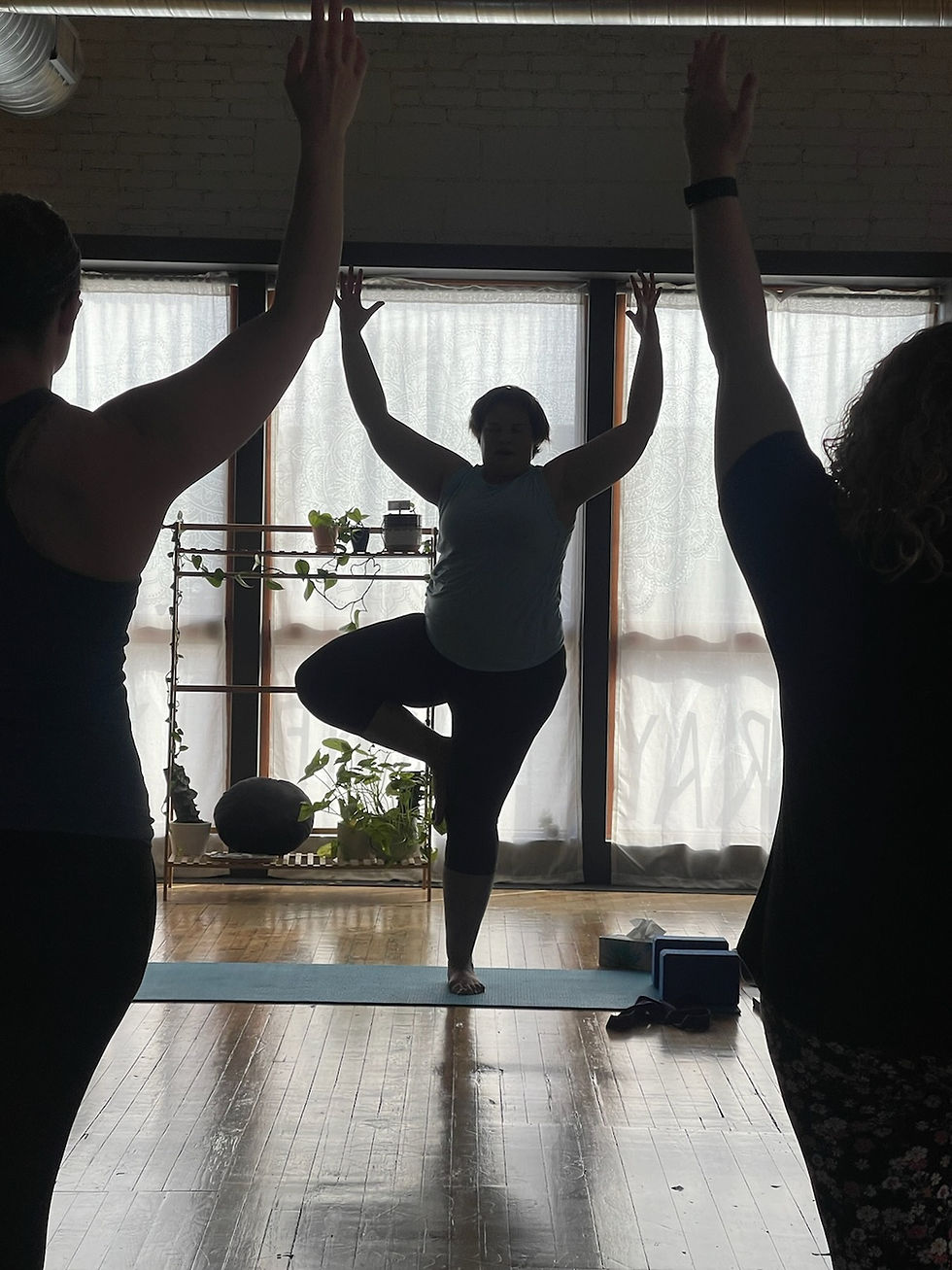
    1. Yoga not your thing? That’s okay. Find something you enjoy and return to it persistently.

    2. Even if it feels awkward at first, remember the sense of relief and energy it brings afterward.


If you’d like a guided reset, I’ve created a free 10-minute practice to support you when life feels like too much.


You’re welcome to access it and stay connected with Safe Harbor Yoga in whatever way feels right for you. Become a member today at no charge and stay up to date on offerings that fit for you.


May you find peace in your mind, your heart, and each day moving forward. 


Comments


Follow us on Instagram

bottom of page