Mindful Education in Schools: Why Your School Is Missing Out
- Kayla Reetz
- Aug 22, 2025
- 3 min read
By Kayla Reetz
As school schedules begin to fill, so does Safe Harborās. You may have noticed Wednesdays and Fridays are reserved for this thing called āMES Programming.ā Itās a program Safe Harbor offers through its Licensed Affiliate with Challenge to Change, Inc. As the owner, teacher, and author of this blog, I believe it should be in every schoolāand hereās why.
If youāre a school leader, parent, or community member who cares about student success and teacher well-being, this is something worth your attention.
What Is Mindful Education in Schools Programming?
MES Programming, or Mindful Education in Schools Programming, is a curriculum started by an elementary teacher, created and refined by fellow educators, and implemented throughout the state of Iowa and beyond. I actually wrote a childrenās book about it called Mollyās PathĀ when I worked for Challenge to Change out of Dubuque, Iowa. Itās as much the beginning of MES Programming that Challenge to Change piloted as it is about the studio itself. I even recorded a read-along for your enjoyment below.
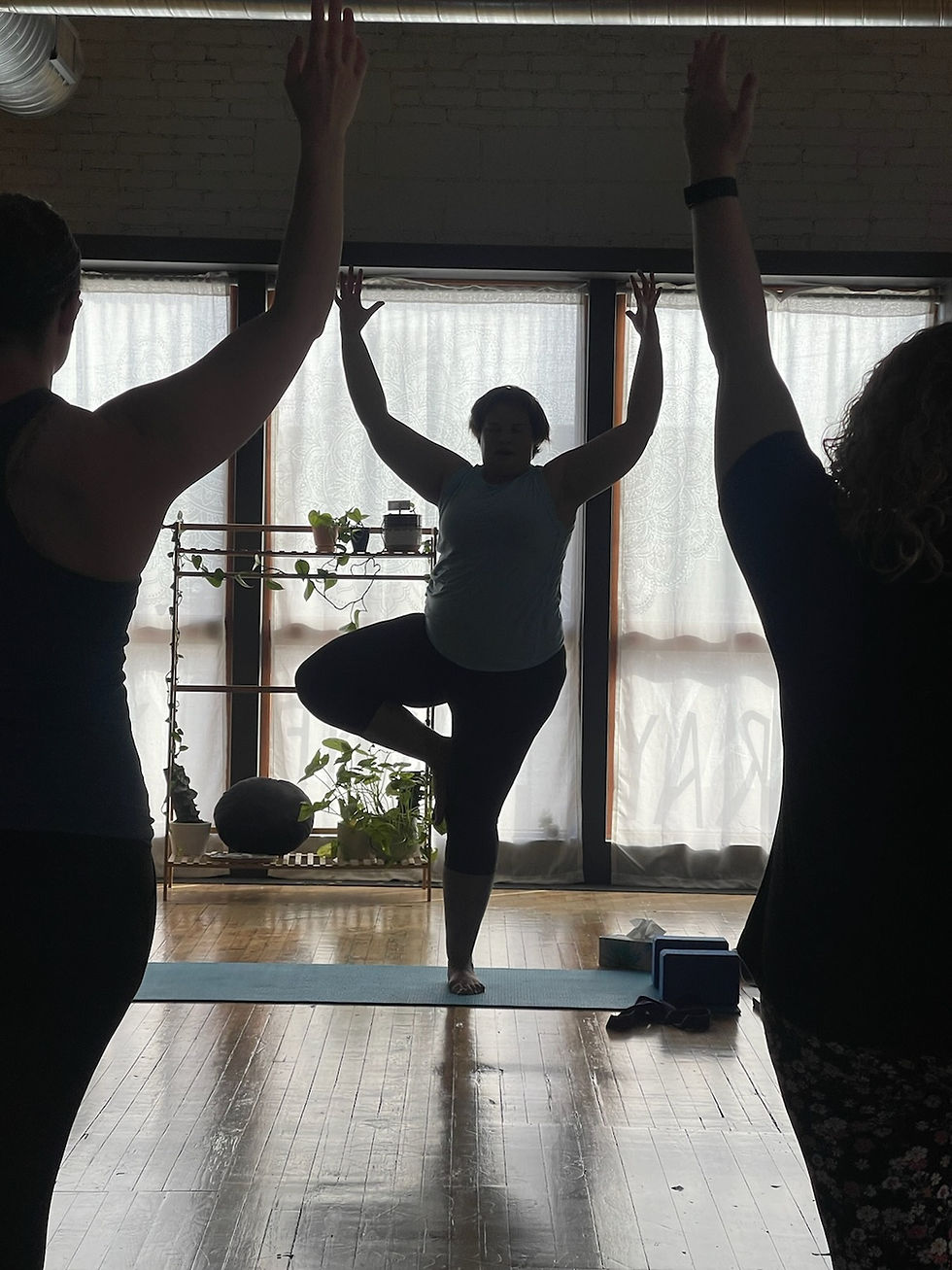
For the last 4 years, I have brought this work into schools and, more recently, into my own studio. Every year I notice the same pattern: at first, there are a few grumpers and gripersāboth from students and teachersāwhen lessons begin. But by the 3rd or 4th session, those same people light up when they see me walk in: āItās yoga day!?ā And when I affirm their excitement, I usually get a big āYessss!ā or even a fist pump in the air. Soon, conversations with friends shift to a brighter outlook on the day.
And if you donāt believe me, see the video below of someĀ of the hundreds of testimonials Iāve received from students and teachers Iāve served in schools.
Why Schools, Parents, and Communities Should Care
Itās more than fun and engaging. MES teaches social-emotional skills, promotes preventative wellness, and does so in age-appropriate ways. From an educational standpoint, it aligns with initiatives like CASEL, PBIS, SEL, and state-level standards. Challenge to Change, Inc. has also done research on its effectiveness in both low socio-economic schools and higher income districts.
Hereās what the data shows from Iowa schools:
Improved focus and attention in class
Decreased behavioral referrals
Stronger teacher-student relationships
Students reporting better ways to manage stress and emotions
For administrators, this means fewer disruptions and more instructional minutes gained. For parents, it means children have tools to handle challenges with resilience. And for the community, it means schools are preparing graduates who are emotionally intelligent, collaborative, and ready to contribute in healthy ways.
For Every Student, Every Grade
Itās important to note there are curriculums for every grade Kā12. Thatās rightāevery student in a district could receive this programming.Ā Think about the most influential ages in your life and ask yourself: What if I had school programming that gave me tools for my body and mind, helped me choose not just what was kind and good, but what was right, and reminded me that I wasnāt alone in my struggles?
Supporting Teachers, Not Adding More
Donāt get me wrongāteachers already do an incredible job of supporting students every single day. But they are only human, and there is only so much one person can manage during the school day. Thatās why Safe Harbor provides live programmingĀ (online options available as well) that allows teachers to learn and grow alongside their studentsāwithout adding another prep or burden to their schedule. Safe Harbor brings everything needed for each lesson so that teachers can simply participate and benefit, too.
This dual benefitāstudents and teachers learning side by sideāhas been one of the most impactful aspects of the program.
Why Challenge to Change, Inc. programming?
As a business owner, Iāve been told I should create my own programming. But why reinvent something that already exists, has been researched and verified for effectiveness, supports Iowa-based businesses, aligns with state-level mandates, andābest of allāenhances both teacher and student well-being by simply being provided?
Like many educators, Iām not in this work to make the most money (though that would make life easier in some ways). Iām in it for the benefit of the future: our students, our teachers, and our communities.
Whatās Next?
If youāre an administrator, letās talk about piloting MES in your district this year.
If youāre a parent, ask your school leaders how to bring Safe Harborās Mindful Education into your childās classroom.
And if youāre a community member, start the conversation with your local school board about supporting this kind of preventative, research-based programming.
Together, we can support students and teachers where it matters mostāevery day in school.
May you find peace in your mind, your heart, and each day moving forward.


Comments